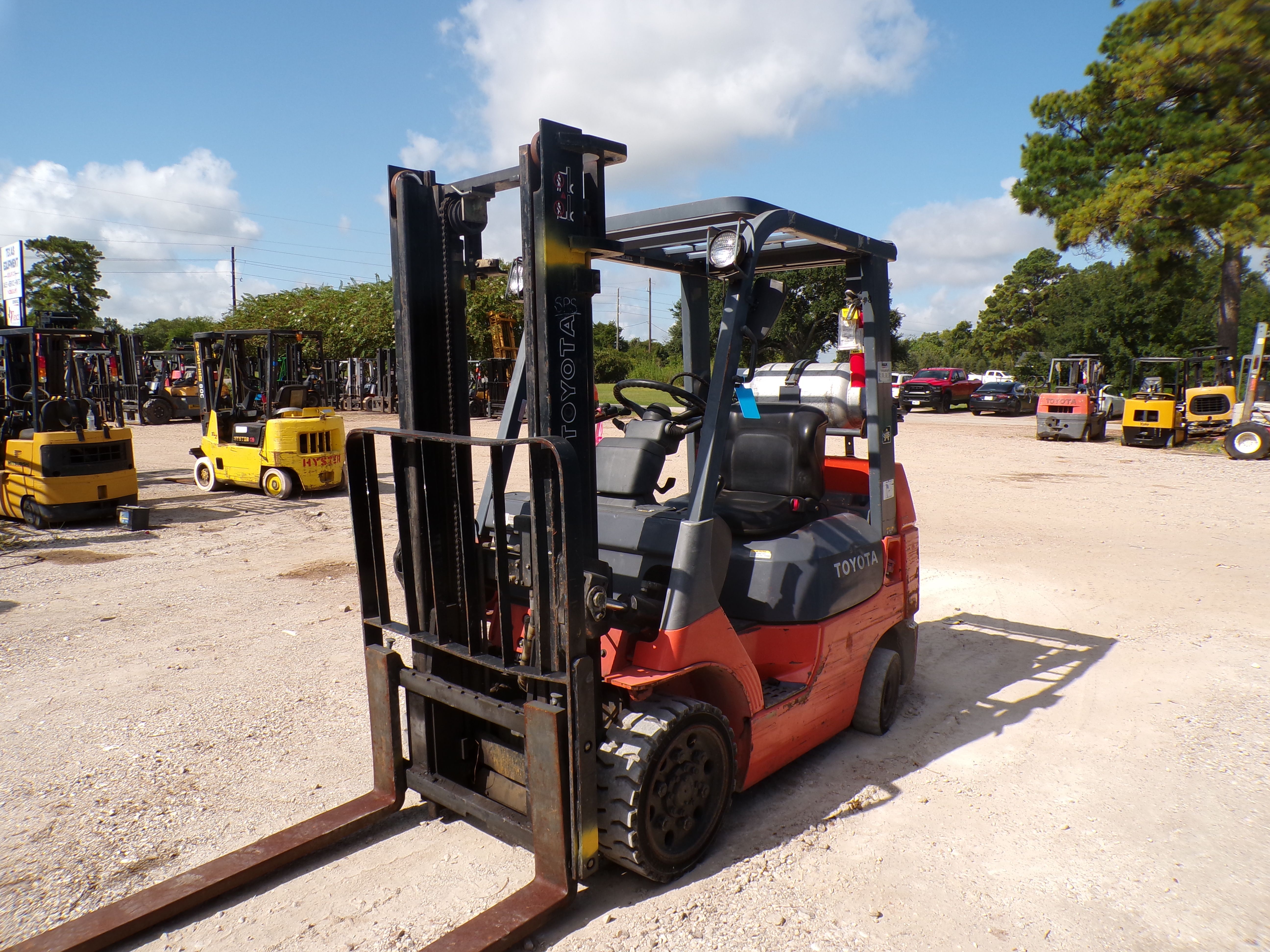
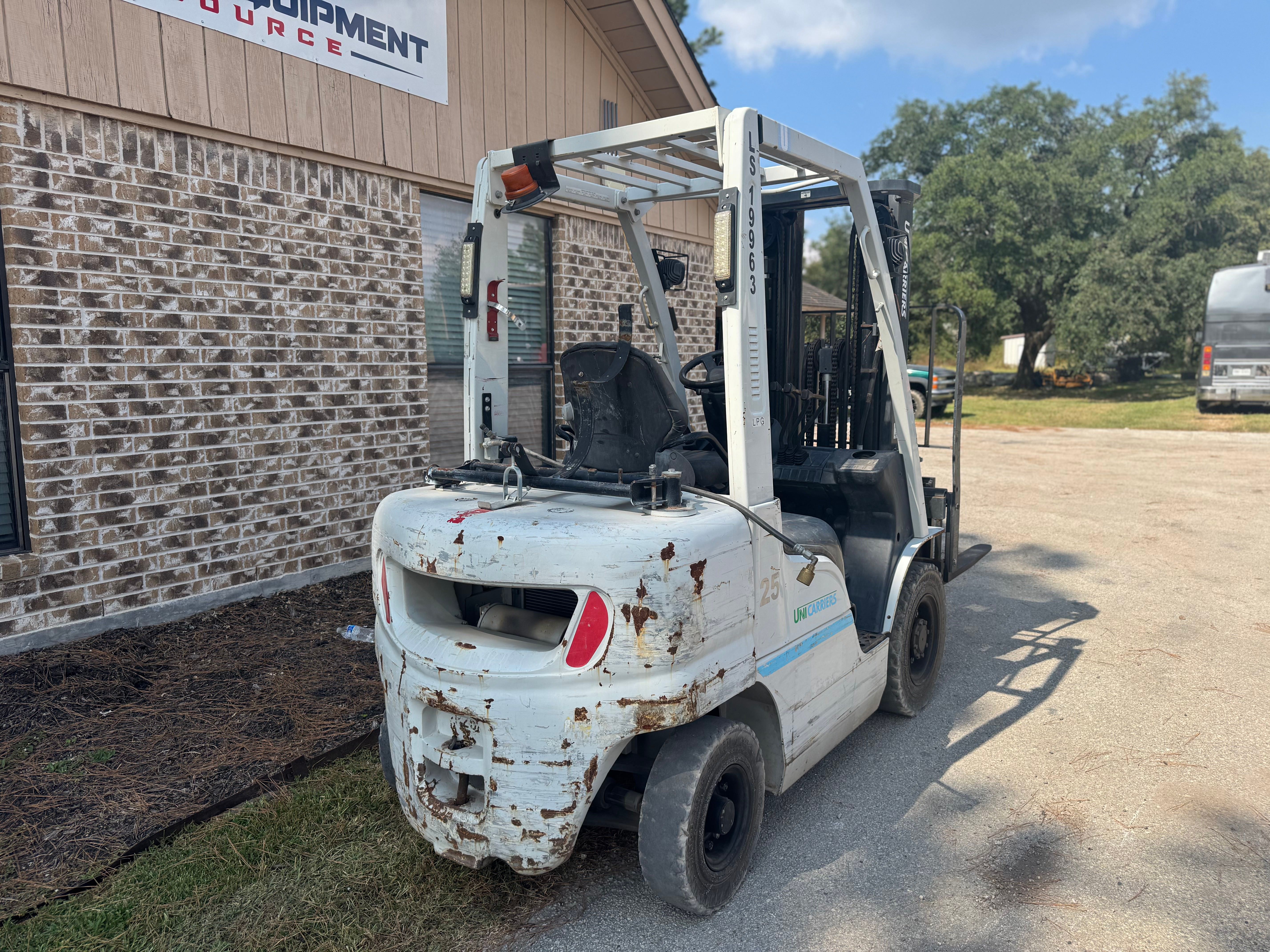
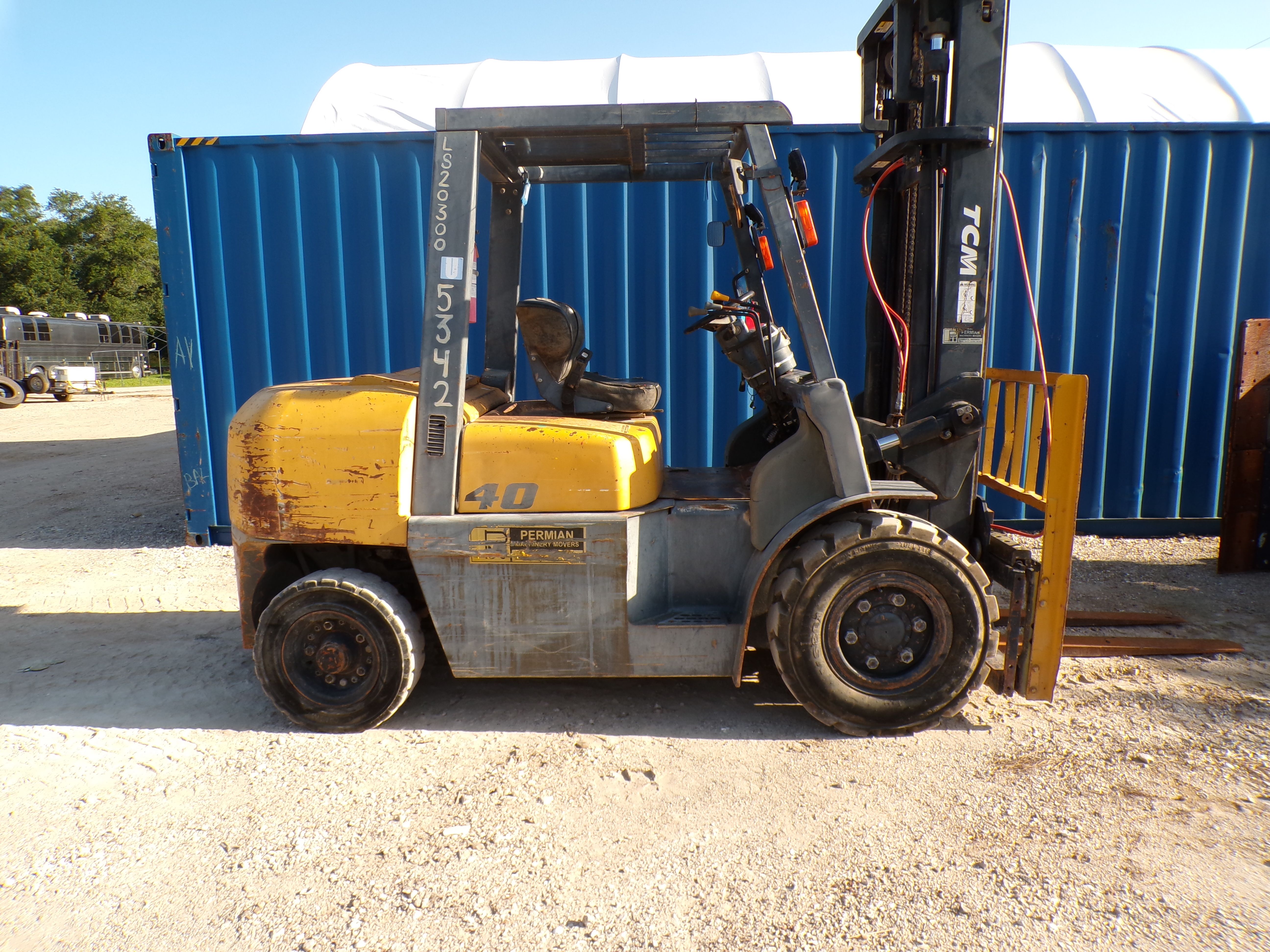
Equipment downtime is one of the biggest challenges contractors, warehouse managers, and business owners face across Texas. Whether it’s a forklift in a busy warehouse or heavy machinery on a construction site, unexpected breakdowns can delay operations, increase costs, and impact overall productivity.
Keeping your equipment running efficiently isn’t just about fixing problems when they occur—it’s about preventing them before they happen. With the right strategies in place, businesses can minimize downtime, improve performance, and keep projects on schedule.
Why Equipment Downtime Is a Serious Problem
Downtime doesn’t just slow work it creates a ripple effect across your entire operation. When equipment stops working:
- Workers are left waiting
- Deadlines get pushed back
- Costs increase due to delays
- Customer satisfaction may drop
In industries where time equals money, even a few hours of downtime can have a significant financial impact. That’s why businesses across Texas are focusing more on preventive strategies rather than reactive repairs.
Start with Proper Equipment Selection
One of the most overlooked causes of downtime is using the wrong equipment for the job. Machines that are underpowered or not designed for specific tasks are more likely to break down under pressure.
Before starting any project, it’s important to evaluate your operational needs carefully. Understanding how to choose the right forklift can help prevent unnecessary strain on equipment and improve overall efficiency.
The right machine not only performs better but also lasts longer under consistent use.
Build a Preventive Maintenance Routine
Preventive maintenance is one of the most effective ways to reduce downtime. Instead of waiting for equipment to fail, regular inspections and servicing help identify issues early.
A strong maintenance routine should include:
- Checking fluid levels
- Inspecting tires and brakes
- Monitoring engine performance
- Replacing worn-out components
Businesses can follow proven strategies like those shared in preventative forklift maintenance tips to keep machines running smoothly.
Routine maintenance not only reduces breakdowns but also extends the lifespan of equipment.
Perform Daily Equipment Inspections
Daily inspections are a simple yet powerful way to catch small problems before they turn into major failures. Operators should inspect equipment before each shift to ensure everything is functioning correctly.
A structured checklist can help standardize this process. Reviewing a daily forklift inspection checklist ensures that critical components are checked consistently.
These quick inspections can prevent accidents, improve safety, and reduce unexpected downtime.
Train Operators for Better Equipment Handling
Even the best equipment can fail if it’s not used properly. Operator error is a common cause of mechanical issues and breakdowns.
Proper training helps operators:
- Use equipment within safe limits
- Avoid overloading
- Recognize early warning signs
- Follow correct operating procedures
Understanding forklift load capacity and safety is essential for preventing damage caused by improper use.
When operators are trained correctly, equipment performs better and lasts longer.
Prepare for Texas Weather Conditions
Texas weather can be unpredictable, and extreme conditions can impact equipment performance. Heat, humidity, and dust can all contribute to wear and tear on machinery.
For example:
- High temperatures can cause engines to overheat
- Dust can clog filters and reduce efficiency
- Moisture can lead to corrosion
Learning how Texas weather impacts heavy equipment helps businesses prepare their machines for tough conditions and avoid weather-related breakdowns.
Keep Backup Equipment Available
Even with the best maintenance practices, unexpected breakdowns can still occur. Having backup equipment or rental options available ensures operations continue without major interruptions.
This is where flexible solutions like equipment rentals become valuable. Businesses can quickly replace malfunctioning machines and maintain productivity.
Exploring equipment rental vs purchase can help companies decide when it makes sense to rely on rentals for backup support.
Use Quality Parts and Reliable Service Providers
Not all parts and service providers offer the same level of quality. Using low-quality replacement parts can lead to frequent breakdowns and reduced equipment performance.
Working with trusted equipment suppliers ensures access to:
- Genuine replacement parts
- Skilled technicians
- Reliable service support
Choosing a dependable provider like a trusted forklift dealer in Texas helps businesses maintain equipment reliability and reduce long-term costs.
Monitor Equipment Performance with Data
Modern equipment often includes monitoring systems that track performance metrics such as fuel usage, operating hours, and maintenance needs.
By analyzing this data, businesses can:
- Identify inefficiencies
- Schedule maintenance more effectively
- Predict potential failures
Data-driven decision-making helps companies stay ahead of issues and improve overall operational efficiency.
Plan Ahead for Equipment Replacement
At some point, every piece of equipment reaches the end of its lifecycle. Continuing to use outdated or worn-out machinery increases the risk of breakdowns.
Businesses should regularly evaluate whether it’s time to replace equipment. Conducting a new vs used equipment cost-benefit analysis can help determine the most cost-effective option.
Planning ahead prevents unexpected failures and ensures operations remain uninterrupted.
Final Thoughts
Reducing equipment downtime requires a proactive approach. From choosing the right machines to maintaining them properly and training operators, every step plays a role in keeping operations running smoothly.
Businesses that invest in preventive maintenance, operator training, and reliable equipment support can significantly reduce downtime and improve productivity.
In a fast-moving environment like Texas, staying ahead of equipment issues isn’t just an advantage it’s a necessity for long-term success.