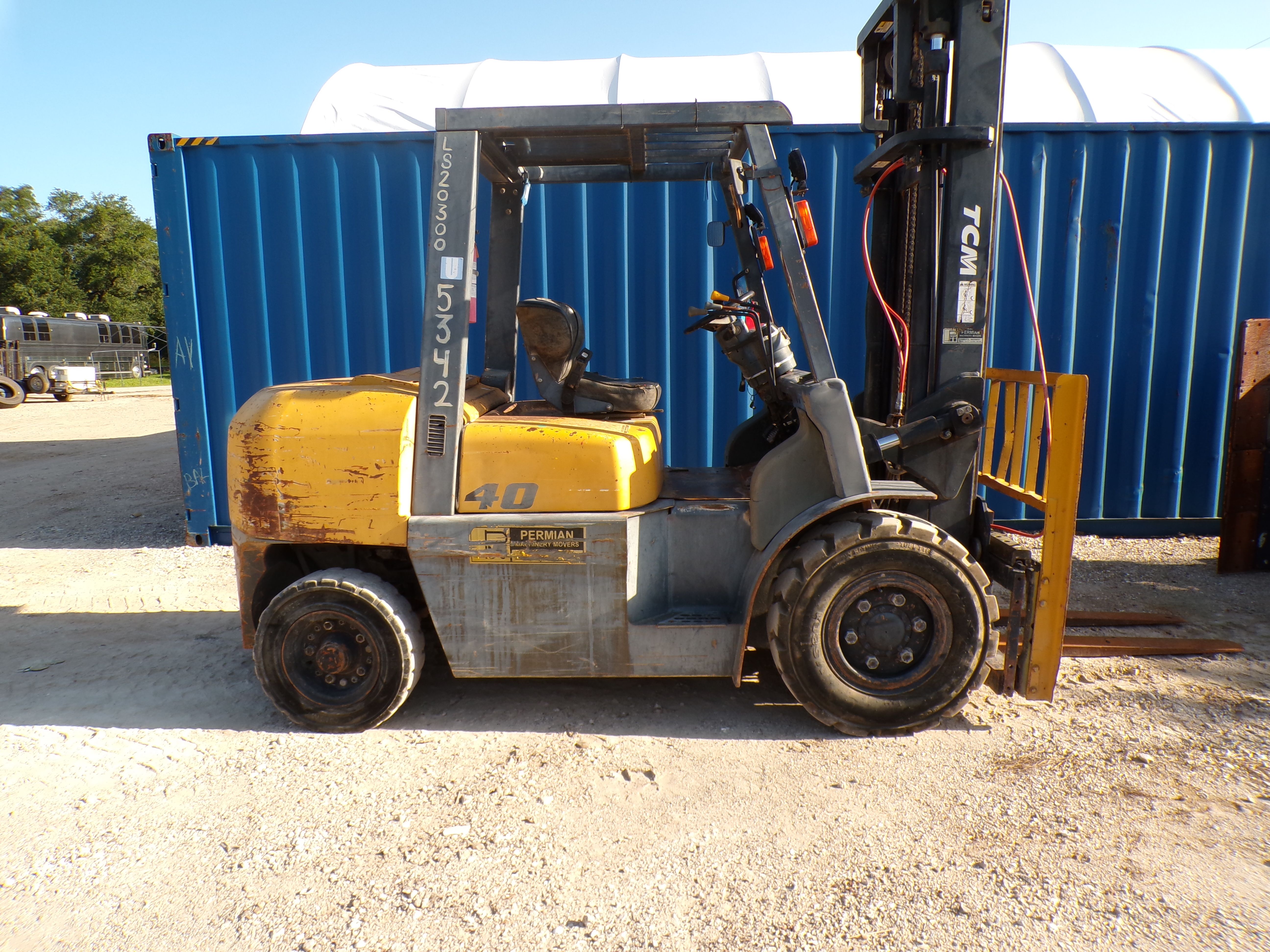
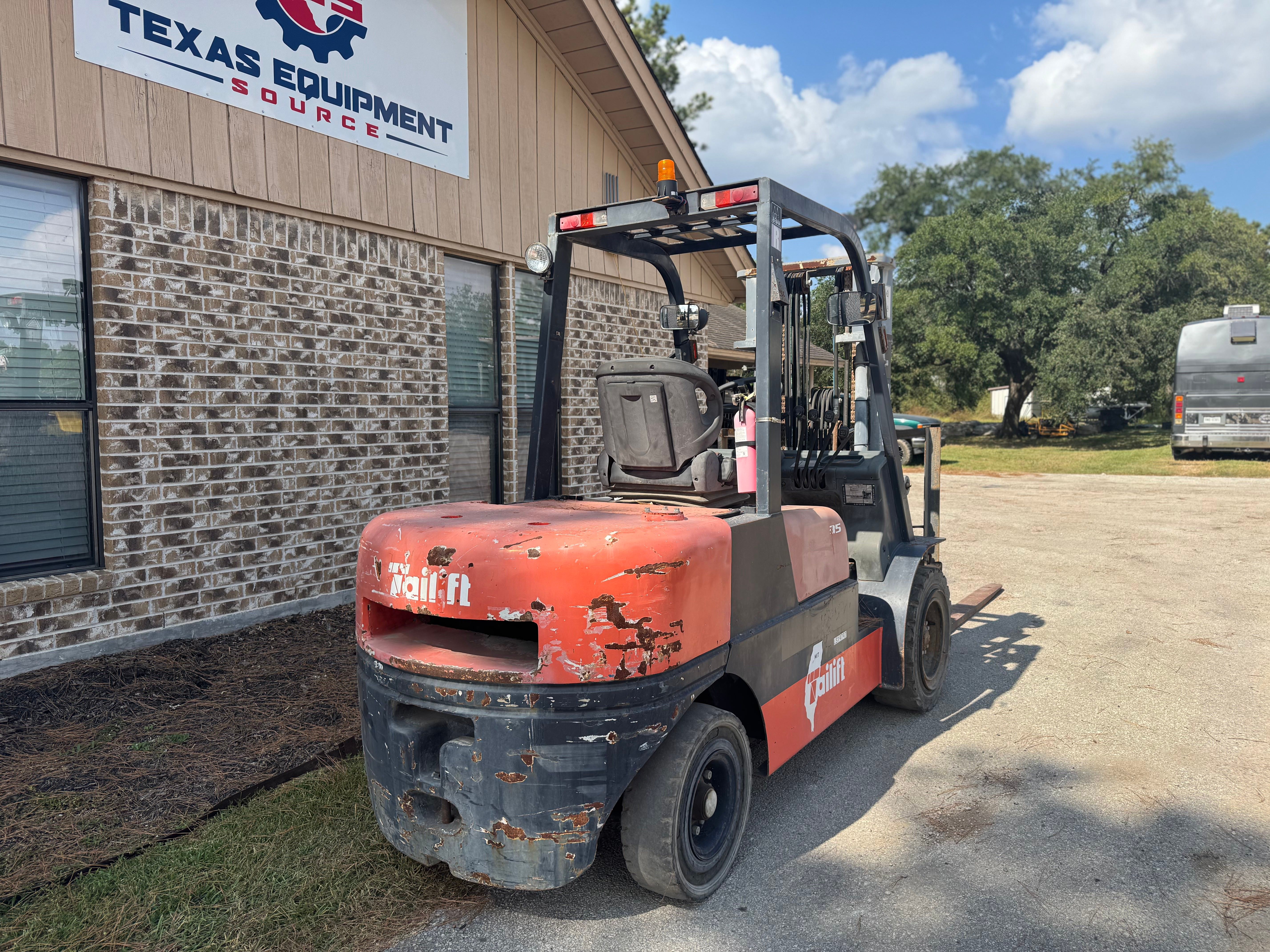
Forklifts are essential machines in warehouses, construction projects, and industrial facilities. Businesses depend on them to move heavy materials quickly and safely. However, choosing the right forklift and managing equipment properly is critical for productivity, safety, and long-term cost control.
Companies that understand how to select the right machinery, perform routine inspections, and decide between buying or renting equipment can operate more efficiently and reduce downtime.
Choosing the Right Forklift for Your Operation
Selecting the correct forklift depends on several factors such as load capacity, work environment, and lift height requirements. Every industry has different operational demands, so businesses should carefully evaluate their equipment needs before making a decision.Many companies start by learning about choosing the right forklift for your business to understand what specifications and features matter most.Another helpful resource is how to choose the right forklift which explains how different forklift models serve different applications.
Key factors to consider include:
- Maximum load capacity
- Indoor or outdoor operation
- Warehouse aisle space
- Fuel type and efficiency
Making the right choice ensures better productivity and safer operations.
Renting vs Buying Heavy Equipment
One of the most common decisions businesses face is whether to purchase forklifts or rent them. Both options have advantages depending on project length and financial strategy.Companies evaluating this decision often review forklift rental vs buying to understand the cost and operational differences.Businesses in Texas also benefit from insights shared in forklift buying vs renting in Houston which explains when renting may be the better option.Another helpful guide is equipment rental vs purchase for companies managing multiple types of heavy machinery.Renting equipment is often ideal for short-term projects, while purchasing may provide long-term financial benefits.
Importance of Regular Forklift Inspections
Routine inspections are essential for maintaining equipment safety and preventing mechanical failures. Even minor issues can lead to significant downtime if they are not identified early.Operators should follow a process similar to the daily forklift inspection checklist to ensure the equipment is safe before every shift.Additionally, businesses renting equipment should review equipment inspection before rental use to ensure the machinery is ready for operation.
Typical inspection areas include:
- Tires and wheels
- Hydraulic systems
- Fork condition
- Steering and braking systems
Consistent inspections improve reliability and extend equipment lifespan.
Forklift Safety Practices
Workplace safety is a top priority when operating heavy machinery. Improper forklift operation can lead to serious accidents and costly damages.
Businesses often rely on guidelines provided in forklift safety tips to train operators and reduce risks.Another critical safety topic is understanding load capacity limits, which is explained in forklift load capacity safety.Following proper safety practices helps create a safer working environment while maintaining operational efficiency.
Buying Used Forklifts
Purchasing used equipment can help businesses reduce upfront costs, but it requires careful inspection to ensure the machinery is reliable.Companies considering used forklifts often follow the recommendations in used forklift buying checklist Houston.Another useful guide is the used forklift inspection guide which explains what components buyers should evaluate before purchasing equipment.Businesses comparing options may also explore new vs used equipment cost benefit analysis to determine the best investment.
Technology Transforming the Forklift Industry
The material-handling industry continues to evolve as automation and smart technologies improve operational efficiency.Industry experts are exploring the trends discussed in future of forklift technology automation changing industry which highlights innovations shaping modern equipment operations.New technologies such as automated forklifts, electric models, and fleet monitoring systems are helping companies improve productivity and reduce operational costs.
Conclusion
Forklifts are a critical part of many industrial operations, but managing them effectively requires proper planning and maintenance. Businesses that choose the right equipment, conduct regular inspections, and follow safety guidelines can significantly improve efficiency.By understanding the benefits of renting vs buying, investing in operator training, and staying informed about new technologies, companies can ensure their forklift operations remain productive and reliable.