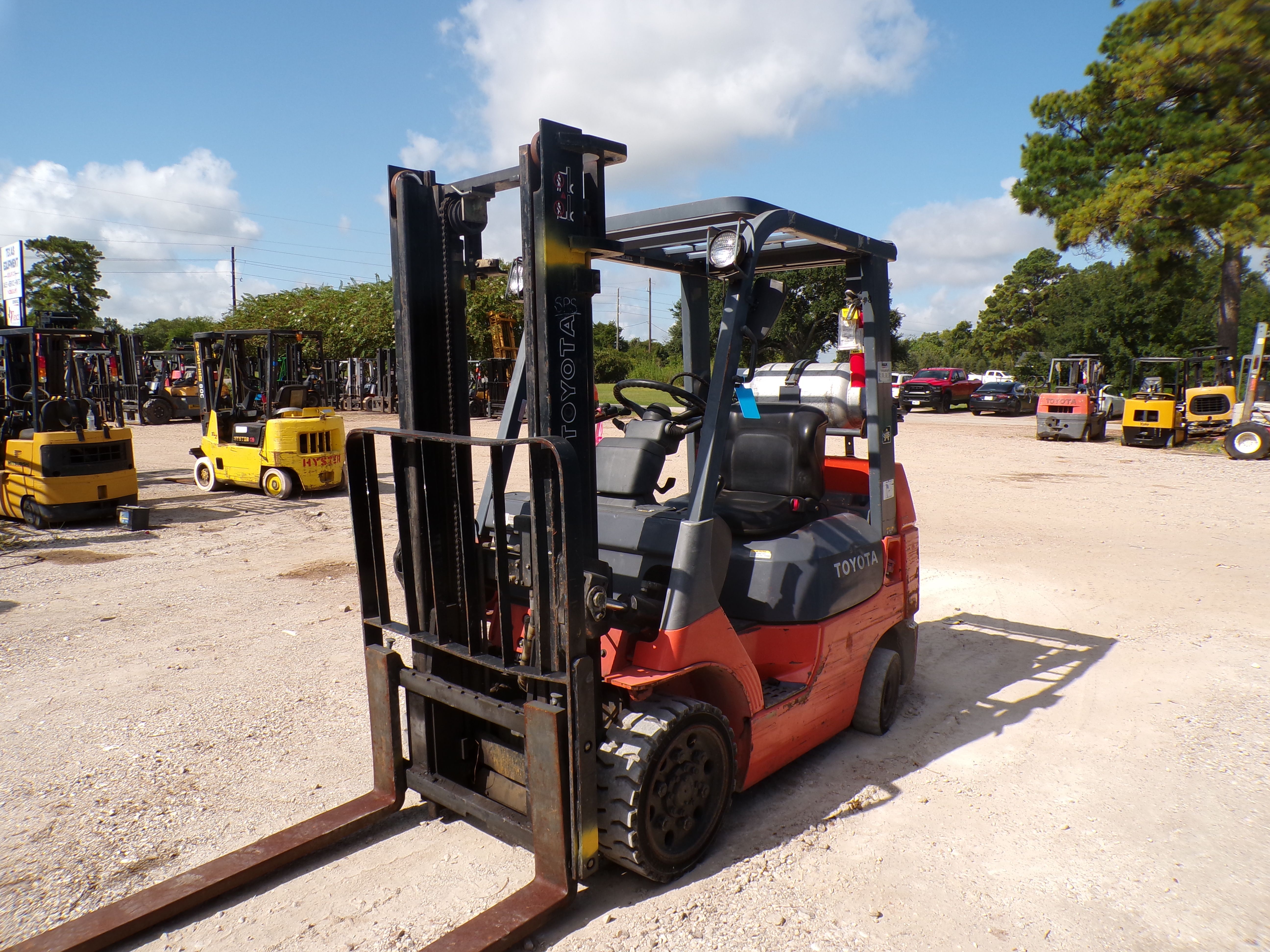
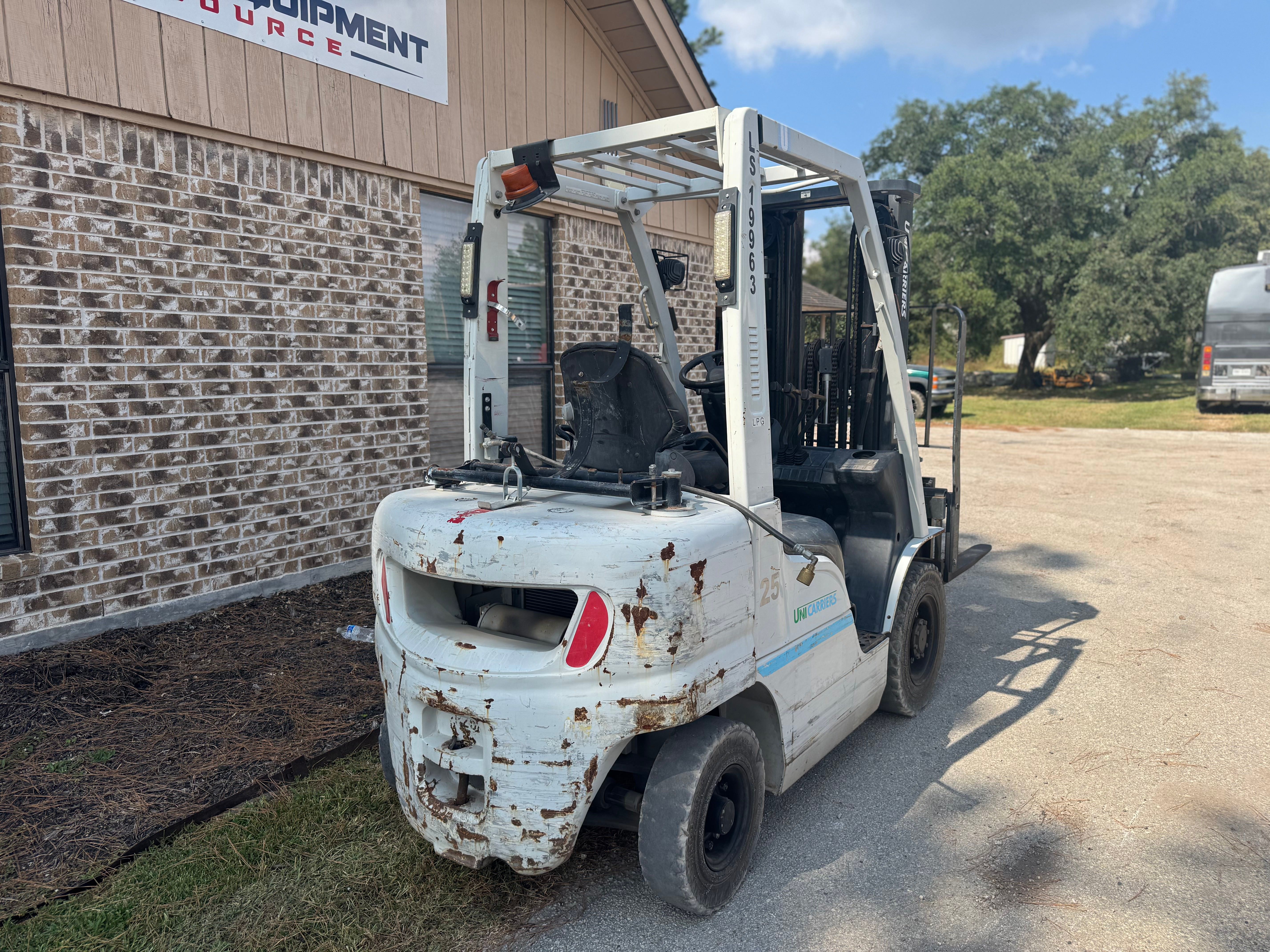
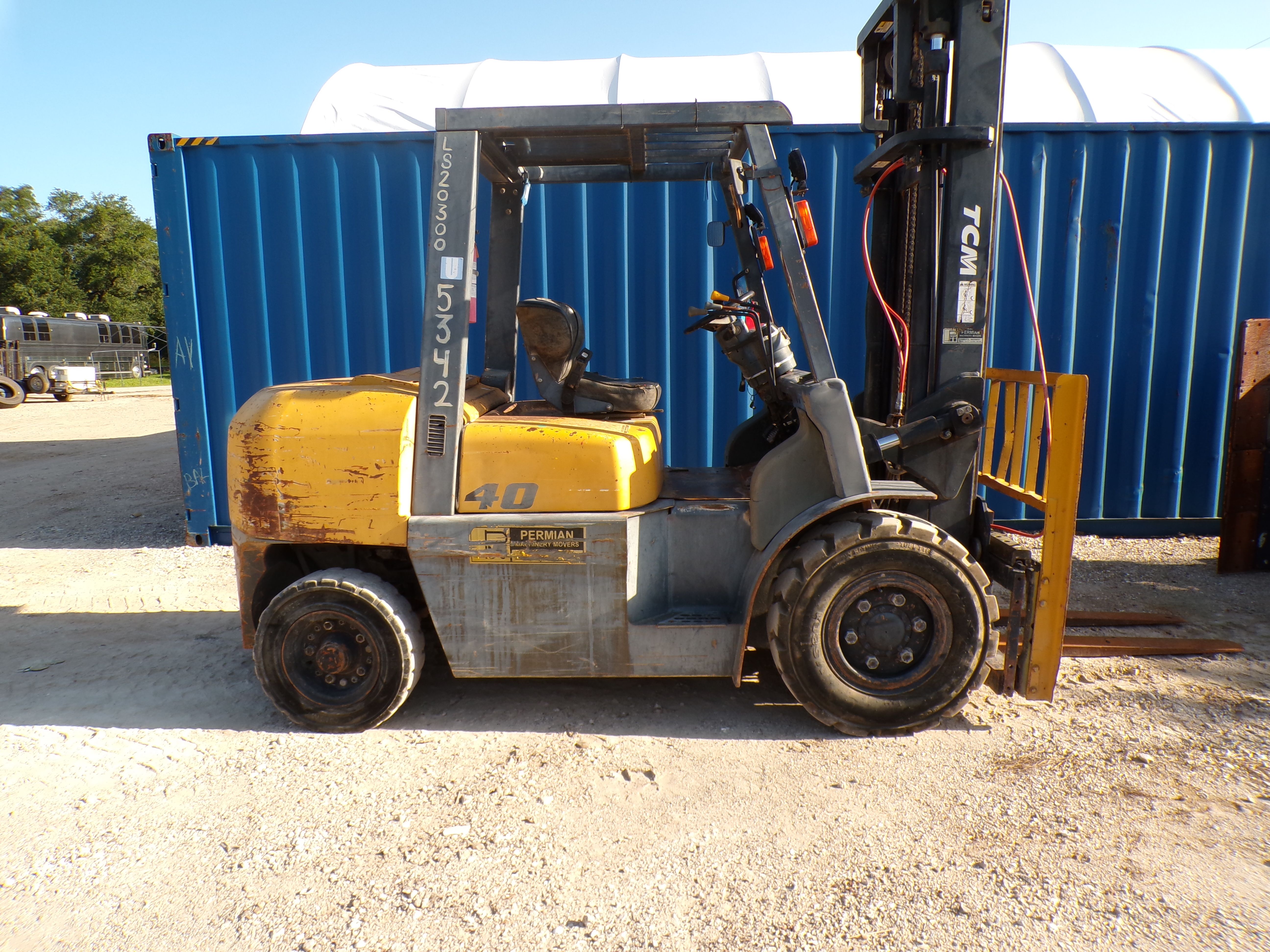
Forklifts are used daily in warehouses, construction sites, manufacturing plants, and distribution centers across Texas. While they are essential for handling heavy loads, they can also pose serious safety risks if not inspected properly before use. A daily forklift inspection checklist helps operators identify problems early, reduce accidents, and keep equipment running reliably.
This guide explains what operators should inspect before operating a forklift, why daily inspections matter, and how inspection requirements differ by forklift type. Whether you are working in Houston or elsewhere in Texas, following a structured inspection routine is a key part of safe forklift operation.
Why Daily Forklift Inspections Matter
A forklift may look fine at a glance, but hidden issues such as hydraulic leaks, worn tires, or brake problems can cause sudden failures during operation. Daily inspections help prevent accidents caused by mechanical defects and overlooked wear.
Consistent inspections support:
- Safer workplaces
- Reduced downtime
- Early identification of maintenance issues
- Longer equipment lifespan
- Better compliance with safety rules
Many forklift-related incidents are preventable when operators take a few minutes to inspect equipment before use.
When a Forklift Should Be Inspected
Forklifts should be inspected at the start of each shift or before a new operator uses the equipment. If a forklift is shared across multiple shifts, every operator must complete their own inspection.
If any safety issue is found, the forklift should be removed from service until repairs are completed.
Operator Responsibility During Forklift Inspections
Daily forklift inspections are not just a management task. Operators are responsible for confirming that the forklift is safe to operate. This includes following a consistent checklist, reporting issues immediately, and never operating unsafe equipment.
For a broader understanding of operator responsibilities and safe operation practices, review our guide on forklift safety tips for operators.
Step-by-Step Daily Forklift Inspection Checklist
A complete forklift inspection includes visual checks, operational checks, and power source checks.
Visual Inspection Checklist
Begin with the forklift turned off and parked on level ground.
Forks and Mast
- Check forks for cracks, bends, or excessive wear
- Inspect the mast for damage or loose components
- Examine chains and rollers for wear or rust
Damaged forks can fail under load and should never be ignored.
Tires and Wheels
- Inspect tires for cracks, chunking, or flat spots
- Check proper inflation on pneumatic tires
- Ensure lug nuts are secure
Tire condition plays a major role in forklift stability and load handling.
Overhead Guard and Load Backrest
- Inspect the overhead guard for cracks or loose bolts
- Confirm the load backrest is securely attached
These components protect the operator and help keep loads stable.
Hydraulic System
- Look for hydraulic fluid leaks under the forklift
- Inspect hoses and fittings for damage
Hydraulic failures can cause sudden load drops or loss of lifting control.
Warning Labels and Data Plate
- Ensure safety decals are readable
- Verify the forklift data plate is present and legible
Load ratings are critical for safe operation. For more details, see our article onforklift load capacity and safety limits.
Operational Inspection Checklist
After the visual inspection, start the forklift and test its functions in a safe area.
Brakes and Steering
- Test service brakes and parking brake
- Confirm steering operates smoothly
Poor braking or steering is a serious safety hazard.
Controls and Levers
- Test lift, tilt, and side-shift controls
- Ensure all levers move freely and return to neutral
Controls should respond smoothly without sticking.
Horn, Lights, and Alarms
- Test the horn
- Check headlights and warning lights
- Verify backup alarms function properly
These systems help protect pedestrians and nearby workers.
Seat Belt and Operator Restraints
- Inspect the seat belt for damage
- Ensure it locks and releases correctly
Seat belts significantly reduce injury risk during tip-over incidents.
Power Source Inspection by Forklift Type
Inspection steps vary depending on the forklift’s power source.
Electric Forklift Inspection
- Check battery charge level and condition
- Inspect battery cables for damage
- Confirm the battery is properly secured
If you are evaluating electric forklifts for your operation, our comparison onforklift buying vs renting in Houston provides helpful planning insights.
Propane Forklift Inspection
- Inspect the propane tank for dents or leaks
- Ensure the tank is securely mounted
- Check hoses and connectors
Never operate a forklift with a leaking propane system.
Diesel or Gas Forklift Inspection
- Check engine oil, coolant, and fuel levels
- Look for fuel leaks
- Inspect exhaust components
Fuel system problems can create fire and safety hazards if ignored.
Forklift Inspection Logs and Documentation
Some workplaces require operators to document daily inspections. Even when not required, inspection logs help track recurring issues, support maintenance planning, and improve overall safety accountability.
Any forklift that fails inspection should be clearly tagged and removed from service.
Common Forklift Inspection Mistakes
Operators often make avoidable mistakes during inspections, such as:
- Rushing through the checklist
- Ignoring small leaks or unusual noises
- Skipping control testing
- Assuming another operator already inspected the forklift
A consistent inspection routine prevents these issues.
Risks of Skipping Daily Forklift Inspections
Failing to inspect forklifts daily increases the risk of:
- Equipment failure
- Forklift tip-overs
- Dropped loads
- Injuries to operators and pedestrians
Many accidents are directly linked to overlooked mechanical issues.
To learn more about reliable equipment and forklift solutions, visit theTexas Equipment Source.
A daily forklift inspection checklist is one of the most effective safety practices operators can follow. Spending a few minutes inspecting equipment before use helps prevent accidents, protects workers, and keeps forklifts operating efficiently.
By following a structured checklist and reporting issues immediately, operators contribute to safer and more productive job sites across Texas.