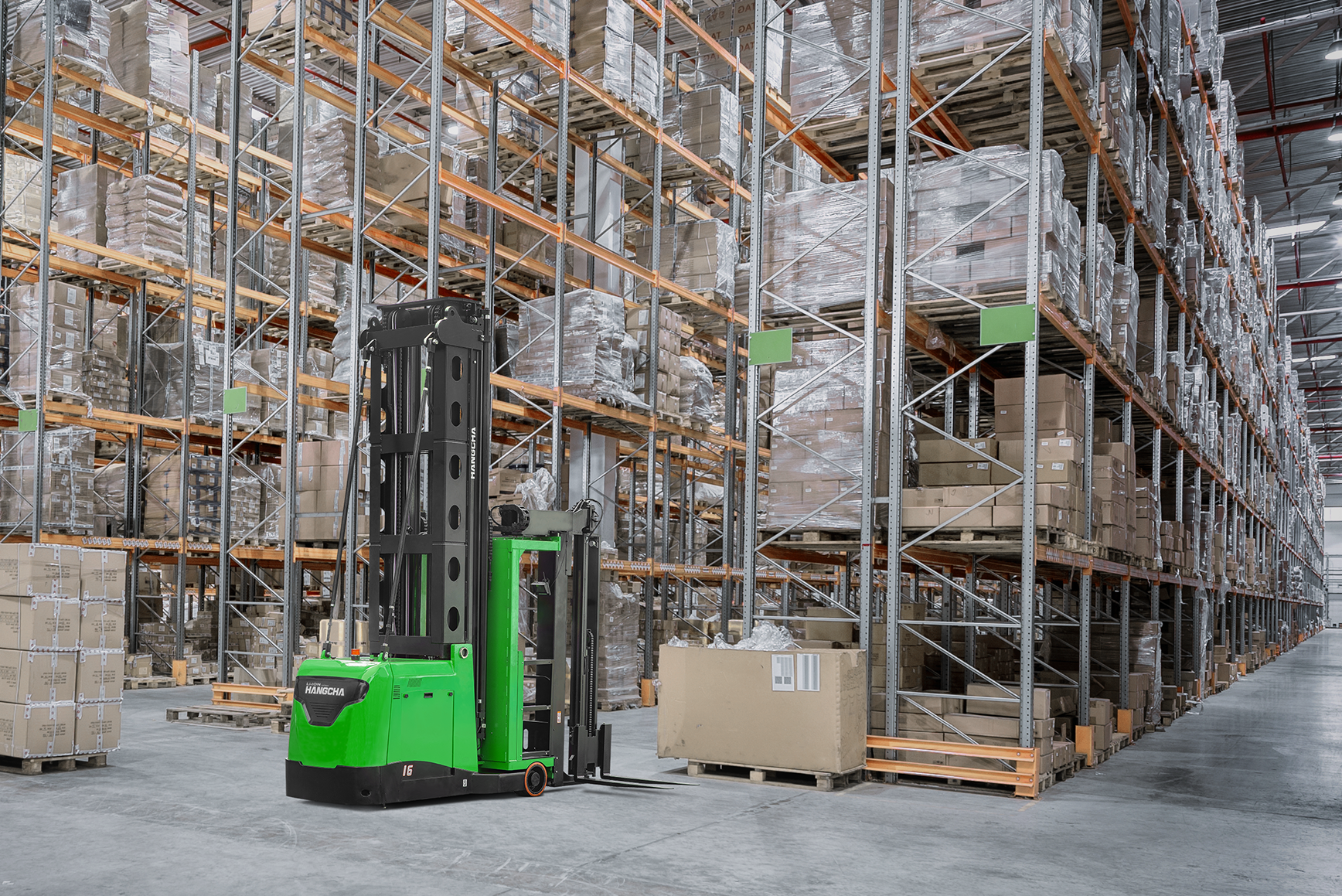
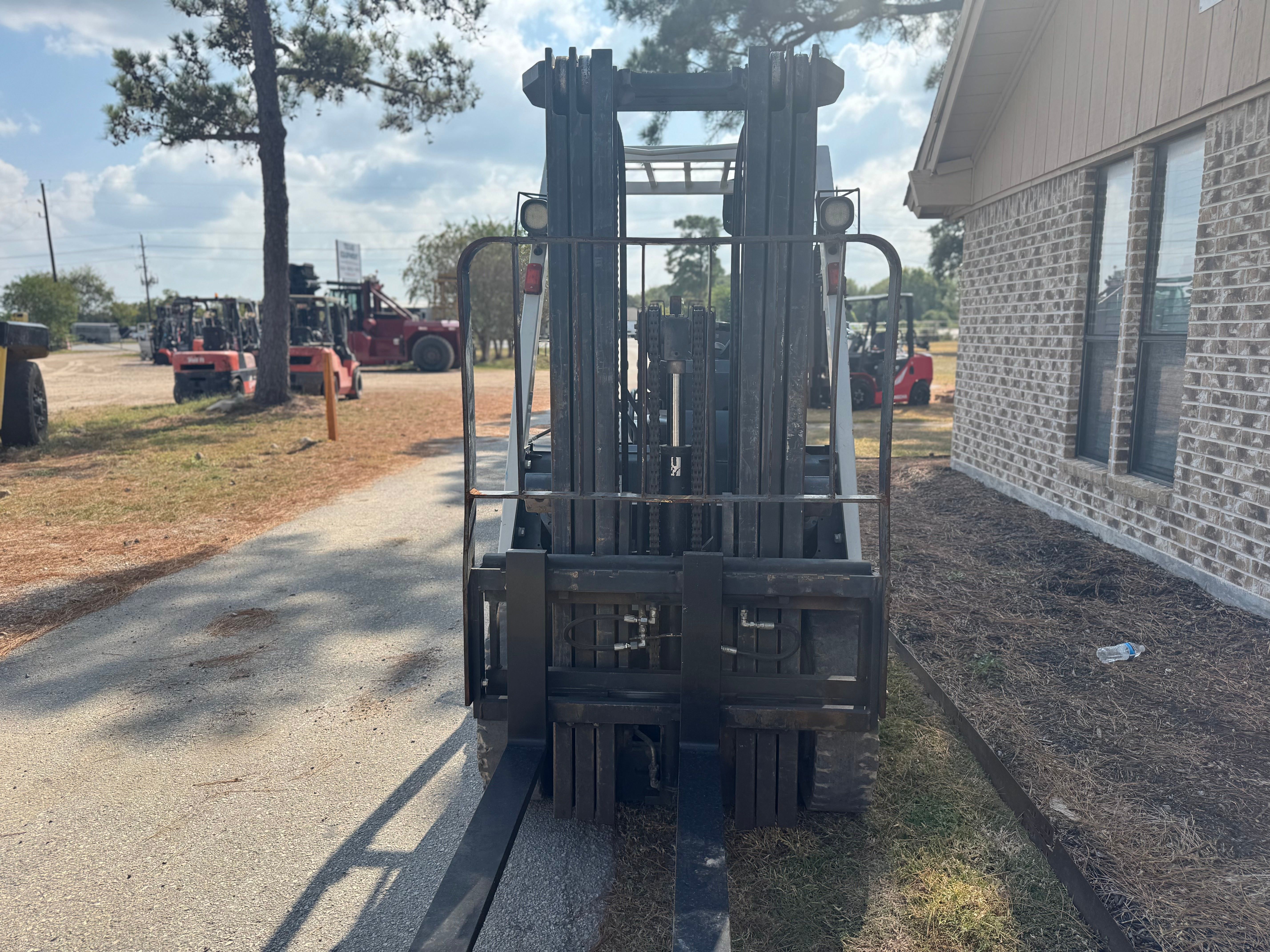
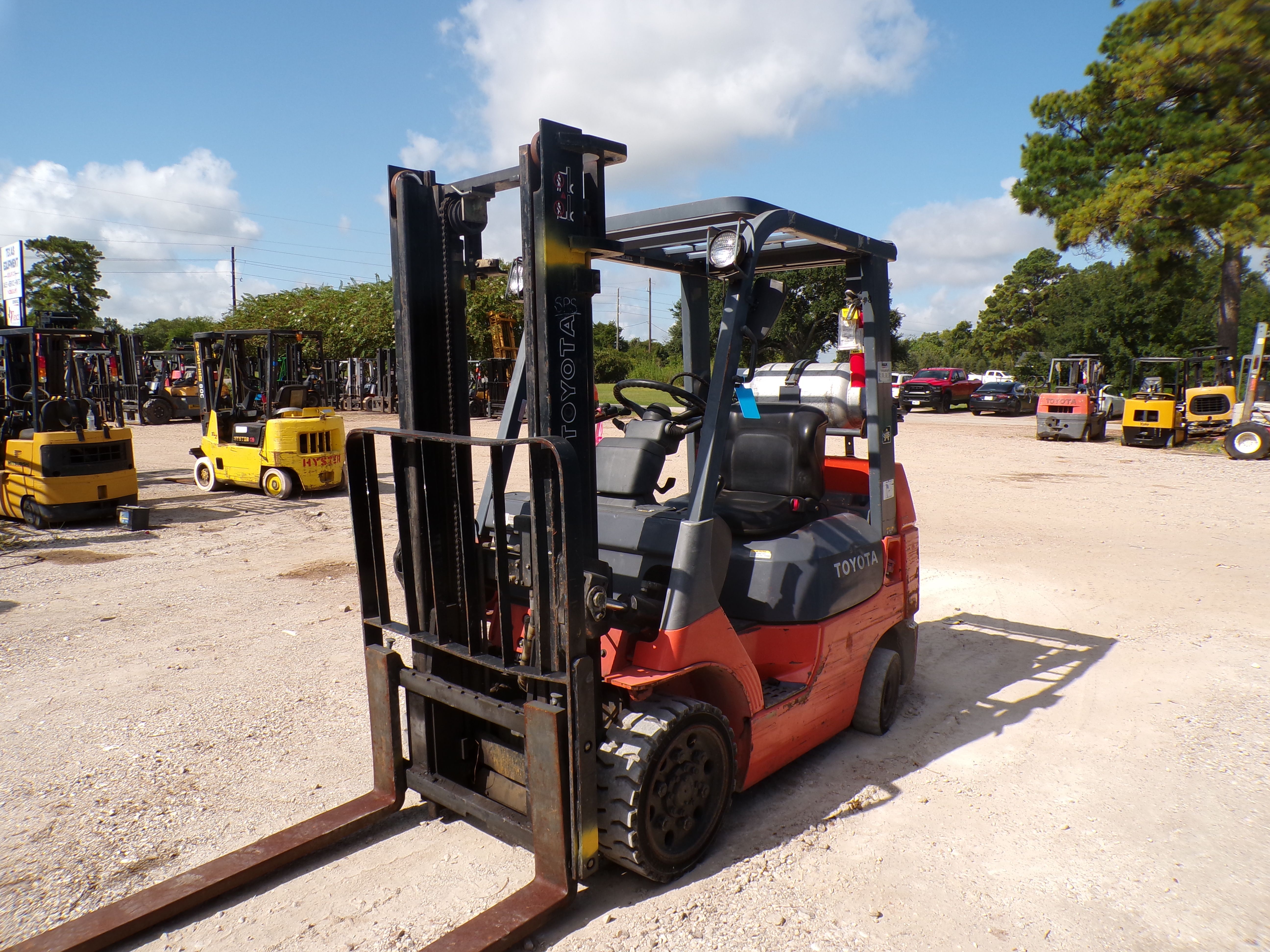
The forklift industry is undergoing a significant transformation, with automation at the forefront of this evolution. As businesses increasingly seek ways to improve efficiency and reduce operational costs, the adoption of automated technologies in forklift operations is reshaping how warehouses, factories, and distribution centers function. From autonomous forklifts to smart systems that monitor performance in real-time, automation is driving advancements in material handling. In this article, we’ll dive into the future of forklift technology, examining how automation is changing the industry, the benefits it brings, and what lies ahead for the future.
The Rise of Autonomous Forklifts
Autonomous forklifts, or self-driving forklifts, are among the most exciting developments in forklift technology. These forklifts are equipped with sensors, cameras, and sophisticated algorithms that enable them to operate without human intervention. Using technologies like LiDAR, GPS, and advanced machine learning, autonomous forklifts can navigate warehouse floors, pick up and deliver loads, and even avoid obstacles—all with minimal human supervision.
The demand for autonomous forklifts is growing, especially in large-scale warehouses and distribution centers where speed and efficiency are critical. By automating repetitive tasks, companies can improve productivity while reducing the risk of human error. As autonomous forklifts become more sophisticated, their capabilities will expand, allowing them to handle more complex tasks.
The benefits of autonomous forklifts go beyond efficiency. They can significantly enhance workplace safety, reduce operational costs, and provide valuable data-driven insights for better fleet management.
Benefits of Autonomous Forklifts
- Increased EfficiencyAutonomous forklifts can work around the clock without breaks, significantly increasing the efficiency of warehouse operations. These forklifts can quickly and accurately transport goods, helping businesses keep up with the fast-paced demands of modern logistics. This continuous operation can optimize warehouse workflows and streamline material handling.
- Improved SafetyOne of the primary benefits of automation in forklifts is enhanced safety. Autonomous forklifts are programmed to follow specific paths, reducing the chances of accidents caused by human error. They are also equipped with sensors that can detect obstacles, preventing collisions and minimizing the risk of injury to workers. By reducing human intervention, warehouses can focus more on safety protocols and improve overall safety standards. Learn more about forklift safety in our Forklift Safety Tips.
- Cost ReductionThough autonomous forklifts come with a higher upfront cost, they can help businesses reduce long-term expenses. By automating repetitive tasks, companies can minimize labor costs and reduce the likelihood of accidents that result in costly repairs or insurance claims. Over time, this translates to improved bottom lines and more consistent profits. For a deeper understanding of the cost-benefit analysis, see our New vs Used Equipment: Cost Benefit Analysis.
- Data-Driven InsightsMany autonomous forklifts come equipped with smart technologies that gather data on performance, usage, and maintenance. This data provides valuable insights that can help businesses optimize their operations, forecast maintenance needs, and improve asset management. Real-time monitoring and analysis allow for more informed decision-making, boosting the efficiency of both forklifts and warehouse operations. For more on maximizing efficiency, check out our Forklift Load Capacity Safety article.
How Smart Forklift Systems are Enhancing Operations
In addition to fully autonomous forklifts, the future of forklift technology also includes smart systems that integrate with existing manual forklifts. These systems, which may include features like GPS tracking, telematics, and fleet management software, enhance the performance and efficiency of forklifts without completely replacing human operators.
For example, telemetry systems allow operators to monitor forklift performance in real-time, including battery levels, maintenance schedules, and operational data. This data can be analyzed to predict when a forklift will require maintenance, reducing downtime and extending the lifespan of the equipment. Smart systems help companies make better use of their equipment and optimize fleet management. You can explore more on fleet management in our Forklift Rentals Guide.
Furthermore, GPS tracking systems allow managers to keep track of forklift movements within the warehouse, improving fleet management and helping businesses optimize the flow of goods. By reducing inefficiencies in equipment usage, companies can increase throughput and better allocate resources. For more on maximizing operational efficiency, take a look at our article on Heavy Equipment in Texas.
Robotics in Material Handling
Robotics is another game-changing technology being integrated into the forklift industry. Robotics and automation are being used to handle materials with greater precision and speed, particularly in environments where large volumes of goods are being moved. Robots equipped with arms, grippers, and other mechanical tools can work in tandem with forklifts to move products from one area to another, further reducing the need for human labor.
In some advanced setups, automated guided vehicles (AGVs) are used alongside forklifts to transport goods across the warehouse floor. These robots are programmed to follow a set path and can navigate around obstacles, seamlessly integrating with forklifts and other automated equipment. This combination allows warehouses to maximize operational capacity while ensuring safety and precision.
For more on the role of technology in enhancing your forklift operations, check out our Forklift Sales, Rentals & Repairs.
The Role of Artificial Intelligence in Forklift Operations
Artificial intelligence (AI) is increasingly being used to enhance the functionality of forklifts and automation systems. With the ability to process large amounts of data and learn from experience, AI can help forklifts make smarter decisions in real-time.
For instance, AI can enable forklifts to better understand their environment, make decisions about the best route to take, and optimize their movements based on real-time data. AI-powered forklifts can adapt to changing conditions, such as sudden obstacles or shifts in the layout of a warehouse, making them more versatile and efficient.
Moreover, AI can be integrated with fleet management systems to improve scheduling and routing, ensuring that forklifts are used in the most efficient way possible. By analyzing past data, AI can predict demand and allocate forklifts accordingly, ensuring that the right equipment is available when needed. Learn more about using AI for optimal fleet management in our Forklift Buying vs Renting in Houston.
What Does the Future Hold for Forklift Automation?
As automation in the forklift industry continues to evolve, the future holds many exciting possibilities. Some of the key trends to watch for include:
- Further Integration of AI and Machine LearningAI and machine learning will continue to play a significant role in forklift automation, allowing forklifts to learn from their environment and adapt to new tasks. In the future, we may see forklifts that can handle more complex tasks, such as product sorting and quality checks, without human intervention.
- Improved Battery and Charging TechnologiesAs forklifts become more automated, the need for efficient power solutions will increase. Future forklift technologies will likely include advancements in battery life and charging systems, allowing forklifts to operate for longer periods and charge more efficiently. This will lead to reduced downtime and increased productivity.
- Expansion of Autonomous Fleet CapabilitiesAutonomous forklifts will continue to evolve, with enhanced capabilities for managing complex warehouse environments. As sensors and algorithms improve, autonomous forklifts will become even more accurate in navigating obstacles, managing loads, and performing tasks.
- Collaborative RobotsThe integration of collaborative robots (cobots) with forklifts will allow these machines to work alongside human workers, performing tasks that require a high degree of dexterity and precision. Cobots could assist in loading and unloading goods, providing even more versatility in forklift operations.
- Sustainability and Green TechnologiesThe future of forklift technology will also focus on sustainability. As environmental concerns continue to rise, forklift manufacturers will prioritize green technologies such as electric forklifts, which offer cleaner and more energy-efficient alternatives to traditional fuel-powered models. Sustainable solutions will likely become a standard feature of the future forklift industry.
For more on how to keep your equipment running smoothly, check out our Forklift Rental vs Buying article.
Conclusion
The future of forklift technology is undeniably exciting, with automation and robotics paving the way for safer, more efficient, and cost-effective material handling. As autonomous forklifts and smart systems become more advanced, businesses can expect to see increased productivity, enhanced safety, and long-term cost savings. Whether you’re looking to upgrade your existing fleet or invest in new technology, it’s clear that automation will play a major role in shaping the future of the forklift industry.
If you want to learn more about how Texas Equipment Source can help you stay ahead of these trends, visit our homepage for all the latest information on forklift sales, rentals, and repairs. We also offer a range of heavy equipment services to meet your needs.