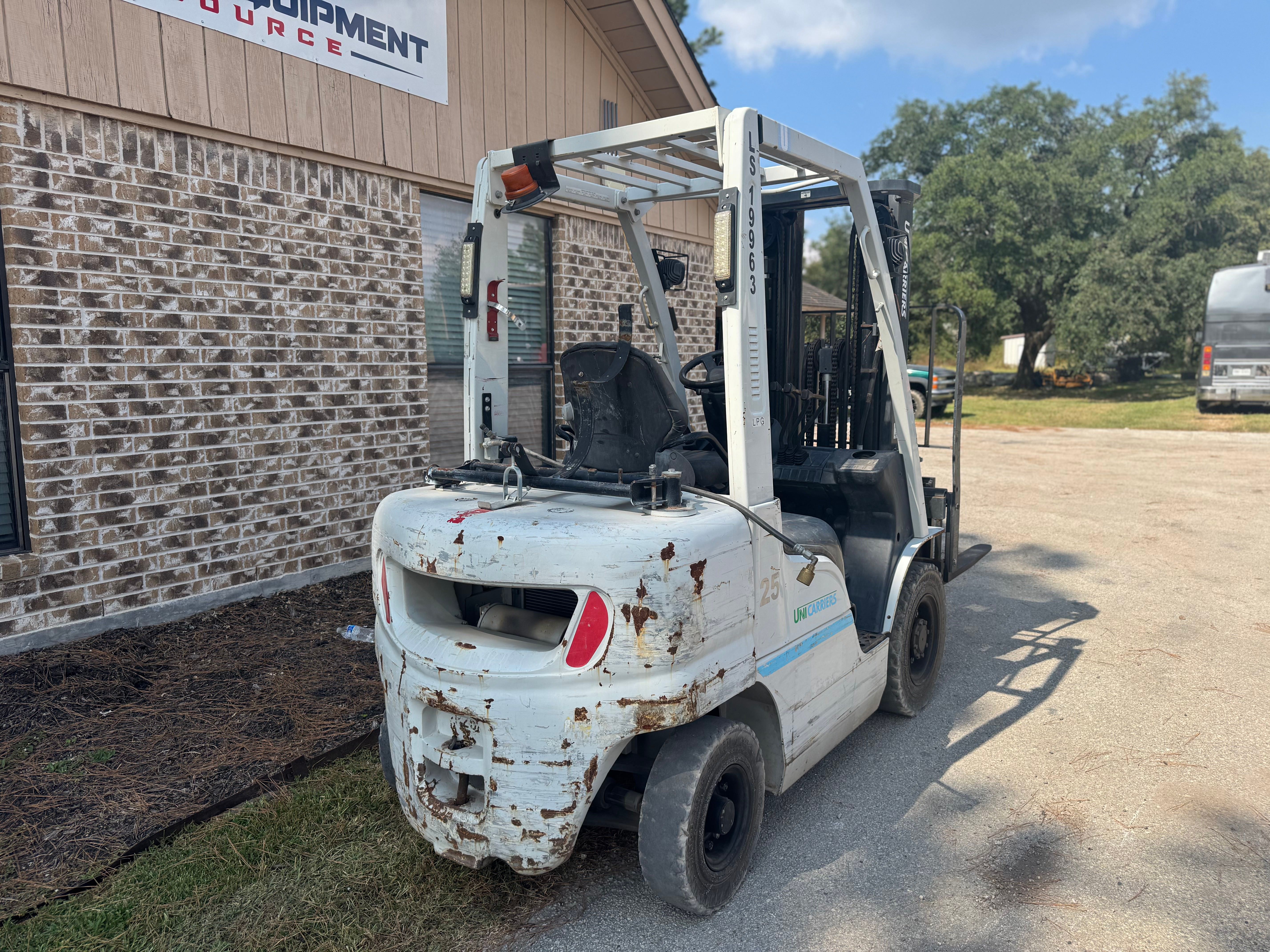
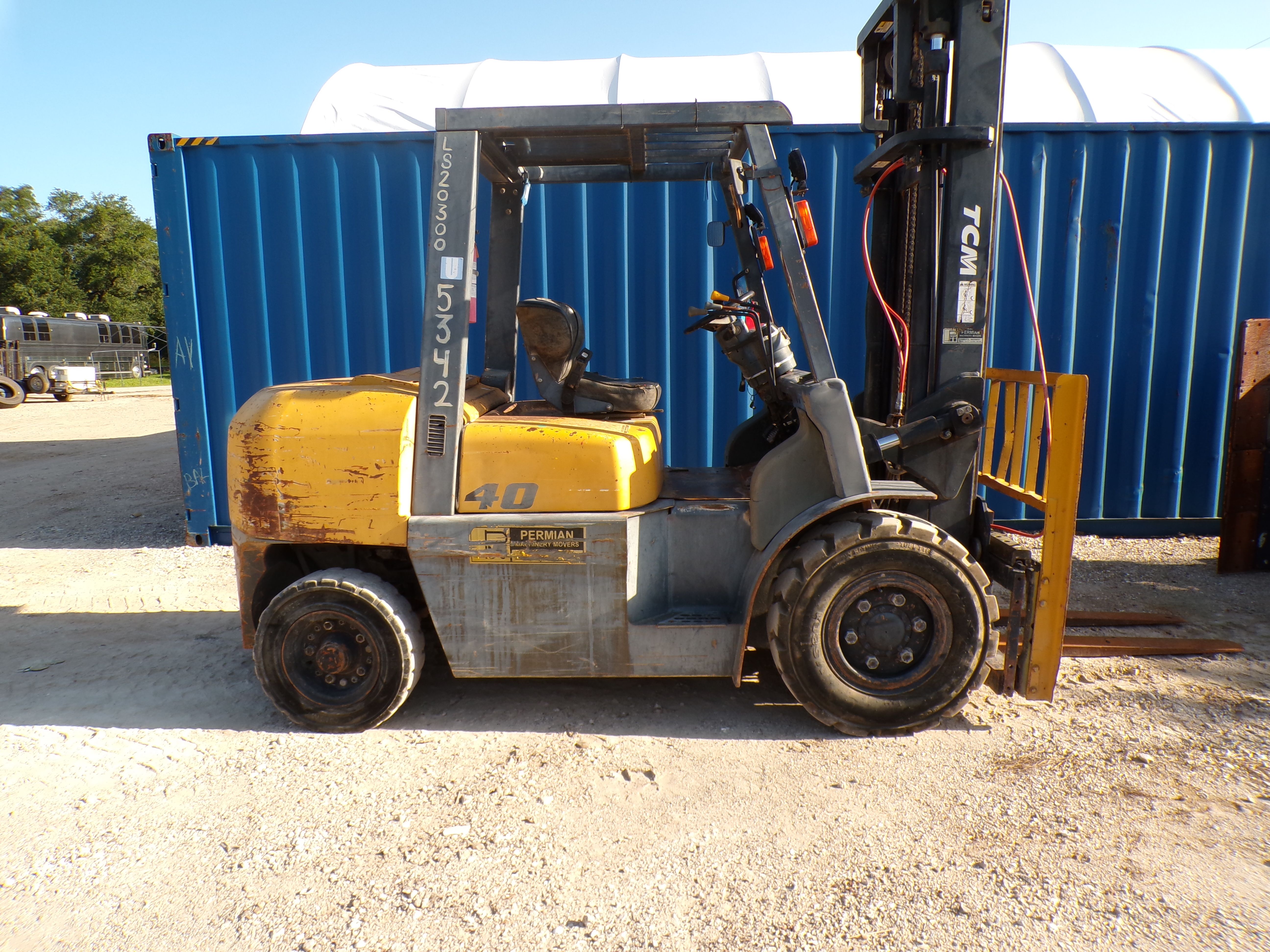
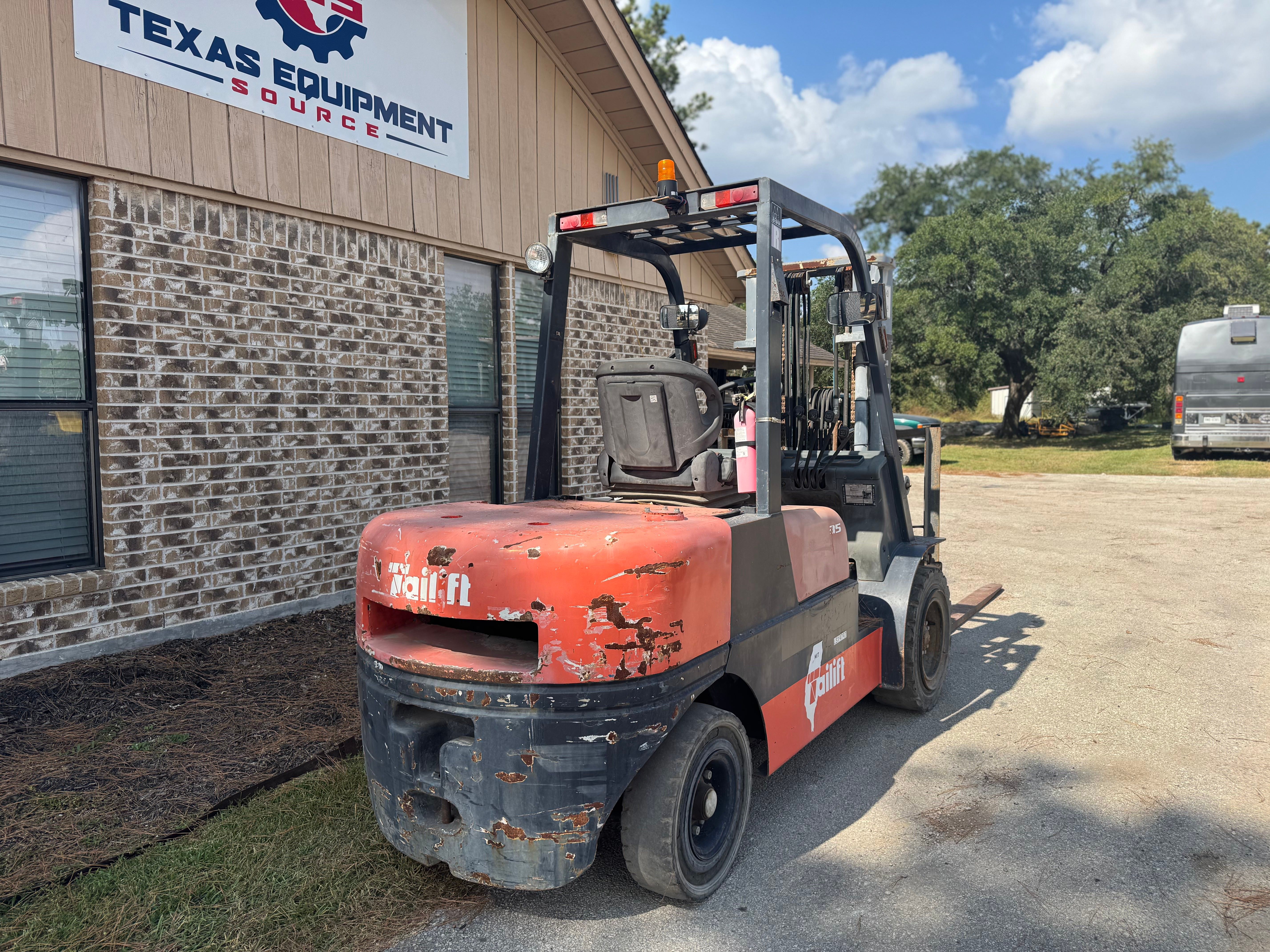
Expanding your equipment fleet is an essential step for businesses that are looking to scale operations, meet increasing demand, or improve productivity. Whether you're in the construction industry, manufacturing, or logistics, your fleet of forklifts, cranes, and other heavy machinery plays a crucial role in your daily operations. However, expanding a fleet requires careful planning, investment, and an understanding of the various factors that influence fleet management.
In this article, we will explore the key factors you should consider when expanding your equipment fleet and how you can optimize your fleet for maximum productivity and cost-effectiveness.
1. Assessing Your Business Needs
Before expanding your fleet, it's important to assess your business's current and future needs. The first step is to understand the type of equipment you need and how much of it is required.
- Demand Forecasting: Consider both the current demand and anticipated growth. If your business is experiencing growth or expansion, such as a surge in construction projects or warehouse operations, the additional equipment will be essential for maintaining productivity.
- Equipment Specialization: Different tasks require different types of equipment. Are you expanding to meet specific demands, like specialized forklifts for narrow aisles or cranes for heavy lifting? Assessing the type of equipment you require will help you avoid purchasing machines that won't be suitable for your operations.
Expanding your fleet without fully understanding your operational requirements could lead to underutilized or misallocated assets. Therefore, thorough planning and forecasting will give you the insights needed to make informed decisions.
For a detailed guide on the purchasing decision process, check out our blog post on Forklift Buying vs Renting in Houston, where we discuss the advantages of renting versus buying heavy equipment.
2. Cost Considerations: Purchase vs. Rental
When it comes to expanding your fleet, one of the biggest decisions is whether to purchase or rent new equipment. Both options have their benefits, depending on your business's needs and financial situation.
- Purchasing Equipment: If you plan to use the equipment frequently or for an extended period, purchasing might be the better option. While upfront costs can be high, owning your own equipment means you have complete control over it, with no ongoing rental fees. Additionally, you can depreciate the asset for tax purposes, which can provide financial relief.
- Renting Equipment: On the other hand, renting equipment can be more cost-effective for short-term projects or when you need specialized equipment for specific tasks. Renting provides flexibility, as you can scale your fleet up or down based on project needs without the long-term commitment.
For businesses that are hesitant to make a large upfront investment, renting equipment can allow for greater operational flexibility and reduced financial strain. If you’re still on the fence, check out this detailed comparison on the Forklift Rental vs Buying in Texas to help guide your decision.
3. Maintenance and Upkeep Costs
When expanding your equipment fleet, consider not just the initial costs but also the long-term maintenance and upkeep. Properly maintaining your equipment ensures that it lasts longer and performs at its peak, preventing costly repairs and downtime.
- Scheduled Maintenance: Make sure to establish a maintenance schedule for each piece of equipment, including periodic inspections, oil changes, and servicing. Neglecting regular maintenance can lead to breakdowns and reduce the lifespan of your machinery.
- Repairs and Parts: You should also account for the cost of parts and repairs. Consider purchasing machines that are easier to repair and have readily available parts to minimize downtime. Some businesses prefer forklifts and other equipment from top brands with a strong reputation for durability and ease of service.
If you are looking for ways to manage preventative maintenance better, take a look at our guide on Preventative Forklift Maintenance Tips to ensure your equipment stays in optimal working condition.
Additionally, read through our blog on Forklift Safety Tips to better understand how to reduce operational risks while improving fleet performance.
4. Fleet Utilization and Efficiency
Having an oversized or underused fleet can significantly affect your bottom line. Therefore, maximizing fleet utilization is key.
- Utilization Rate: Keep track of the hours each piece of equipment is in use and identify any underutilized machines. If some pieces of equipment are only being used for a few hours a day, it may be worth considering renting instead of purchasing.
- Optimization: Utilize fleet management software or GPS tracking systems to monitor equipment utilization. Many of these systems offer valuable data that can help optimize your fleet by tracking usage, maintenance schedules, fuel consumption, and more.
You can also read our blog on Forklift Load Capacity Safety for more information on how to ensure maximum efficiency without compromising safety.
5. Operator Training and Safety
The efficiency of your fleet depends not only on the quality of the equipment but also on how well your operators are trained. Accidents or improper handling can lead to equipment damage, safety hazards, and even higher insurance premiums.
- Training Programs: Before expanding your fleet, ensure that your team is properly trained to operate the new equipment. Regular training programs can help your employees stay up-to-date with safety protocols, new technology, and best practices.
- Safety Protocols: In addition to training, implement safety protocols to protect workers and equipment. Ensure that operators follow standard procedures for inspecting and operating machinery before use, and provide them with the proper personal protective equipment (PPE).
For more insights into maintaining forklift safety, visit our blog on Forklift Safety Tips.
6. Brand and Quality Considerations
The brand and quality of the equipment you choose will play a significant role in the longevity and performance of your fleet. High-quality, reliable equipment is a worthwhile investment in the long run, as it reduces the risk of frequent breakdowns and repairs.
- Reputable Brands: Consider purchasing or renting from trusted brands that have a reputation for durability and reliability. Opting for brands with strong customer support and service networks can also minimize downtime if maintenance is required.
- Used Equipment: If you are on a budget, you may consider purchasing used equipment. However, it's essential to inspect the equipment thoroughly before purchasing to ensure that it has been well-maintained and is still in good working condition.
Our blog on the Used Forklift Buying Checklist in Houston provides a comprehensive guide to inspecting used equipment and understanding what to look for before making a purchase.
7. Environmental Impact
Environmental concerns are becoming increasingly important in today's business environment. Consider how your fleet expansion could impact your business’s carbon footprint.
- Fuel Efficiency: Look for equipment that offers better fuel efficiency, as this can help reduce both operating costs and emissions. Many modern forklifts and heavy equipment are designed with eco-friendly features that reduce fuel consumption.
- Electric Options: If your business is committed to sustainability, explore electric or hybrid equipment options. Electric forklifts, for example, produce fewer emissions and are quieter, making them ideal for indoor use.
For more on how to reduce the environmental impact of your equipment, check out our blog about Tier 4 Equipment Rentals and their impact on sustainability.
8. Legal and Regulatory Compliance
As you expand your fleet, it's crucial to ensure that your equipment complies with all relevant regulations and standards. Non-compliance can lead to fines, safety hazards, and potential legal issues.
- Local and State Regulations: Make sure that the equipment you purchase or rent meets local and state safety and emissions standards. Regulations can vary by region, so it’s important to stay informed about the laws in your area.
- Insurance Requirements: Expanding your fleet may also affect your insurance needs. You’ll need to update your insurance policies to reflect the addition of new equipment and ensure that all machines are covered in case of damage, theft, or accidents.
For detailed information on compliance in the Texas area, visit our blog on Texas Commercial Heavy Equipment Supplier for insights on local industry regulations.
9. Financing and Budgeting
Lastly, when expanding your fleet, consider your financing options. Whether you choose to buy, lease, or rent, ensure that the option you choose aligns with your budget and cash flow.
- Financing Options: Many dealers offer financing options that allow you to pay for equipment over time, making it easier for you to expand your fleet without straining your finances. Look for competitive rates and terms that suit your business's financial capabilities.
- Budget Management: Create a comprehensive budget that accounts for both the short-term and long-term costs associated with fleet expansion. Factor in the cost of purchasing, maintaining, and operating the equipment, as well as any additional expenses such as training or fuel.
For more on financing options, take a look at our blog about New vs Used Equipment Cost Benefit Analysis to help determine the most affordable solution for your fleet expansion.
Expanding your equipment fleet is a big decision that requires careful thought and planning. By considering factors such as your business needs, cost considerations, maintenance, training, and regulatory compliance, you can ensure that your fleet expansion is both effective and cost-efficient.
With proper planning and the right equipment, expanding your fleet will help your business grow, improve productivity, and stay competitive in the market. Whether you’re purchasing new equipment, renting, or opting for used options, make sure to choose the best solution that aligns with your operational goals and budget.
At Texas Equipment Source, we offer a wide range of forklifts and heavy equipment for sale, rent, and service. Whether you're looking to expand your fleet or maintain your existing equipment, we have the right solutions for you.