When it comes to acquiring heavy equipment for your business whether you're in construction, agriculture, landscaping, or industrial services budget and operational efficiency are top priorities. One of the most common dilemmas buyers face when buying new vs used equipment is choosing the right option for their budget and operational needs.
While new machines come with the latest features and warranties, used equipment offers affordability and proven performance. So, how do you make the right choice?
In this article, we break down the cost-benefit dynamics of new vs used equipment and provide a clear equipment cost analysis to help you make a practical and profitable decision.
Initial Cost Comparison
One of the most obvious benefits of used equipment pricing is its lower upfront cost compared to new machinery.
- New Equipment: Generally priced at 100% of MSRP.
- Used Equipment: Can cost 30%–50% less, depending on age, condition, and hours of use.
Why it matters:
- Buying used equipment can free up capital for other investments (tools, staffing, technology).
- Lower monthly payments if financed.
- Reduced risk in tight-budget or one-time-use scenarios.
Depreciation and Resale Value
New equipment begins to depreciate the moment it leaves the dealer's lot similar to a new car.
- A new machine can lose 15%–25% of its value in the first year.
- Used equipment has already passed through the steepest part of the depreciation curve, making it a strong option when comparing refurbished vs new equipment value.
Benefit of Buying Used:
- Better resale retention if you plan to upgrade or resell within a few years.
- More predictable long-term value based on equipment age and condition.
Warranty, Reliability & Repair Risk
New Equipment Pros
- Comes with a manufacturer warranty (1–3 years or more).
- Fewer mechanical surprises.
- Includes modern features (telematics, safety, fuel efficiency).
Used Equipment Considerations
- May not include warranty (unless dealer offers certified pre-owned or refurbished equipment programs).
- Higher likelihood of wear on components (e.g., hydraulics, tracks).
- Inspection is critical ask for service records, usage logs, and parts history.
Tip: Texas Equipment Source offers well-maintained, quality-checked used equipment, which minimizes your risk while saving you money.
Operational Performance
Your workload and usage frequency should heavily influence your choice, especially when evaluating the total cost of ownership of equipment over time.
Fuel Efficiency & Technology
Newer machines tend to be:
- More fuel-efficient
- Equipped with telemetry and diagnostics
- Compliant with latest emission standards
Used equipment may lack these benefits, but the tradeoff may be acceptable if the job doesn’t demand cutting-edge performance.
Tax Write-Offs and Incentives
Both new and used equipment may qualify for Section 179 deduction, making buying new or used equipment more financially flexible for businesses. which allows businesses to deduct the full purchase price of qualifying equipment purchased or financed during the tax year.
- Used equipment can also be depreciated over time, depending on tax structure.
- Always consult a tax professional to maximize your deductions.
Decision Matrix: When to Buy New vs. Used
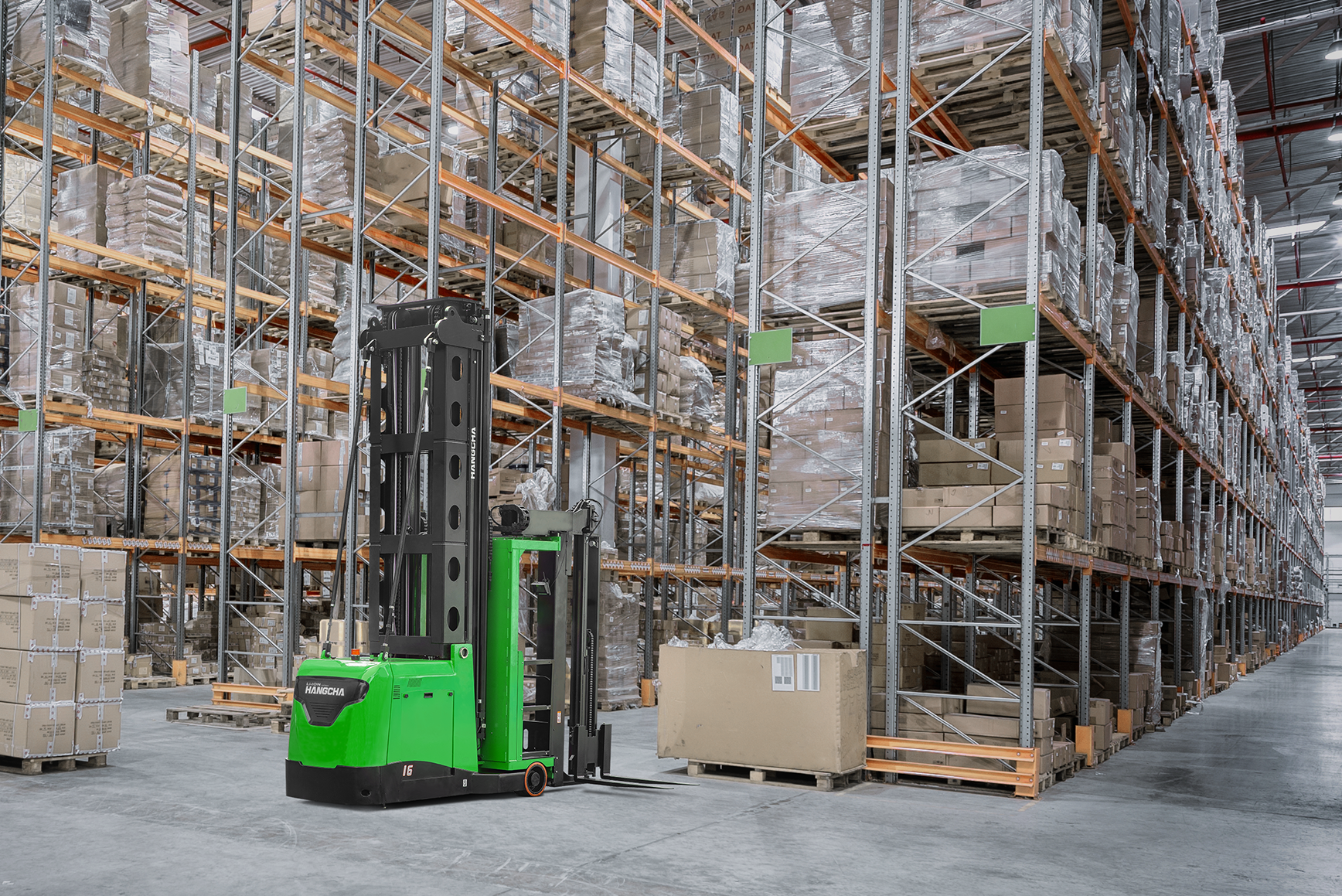
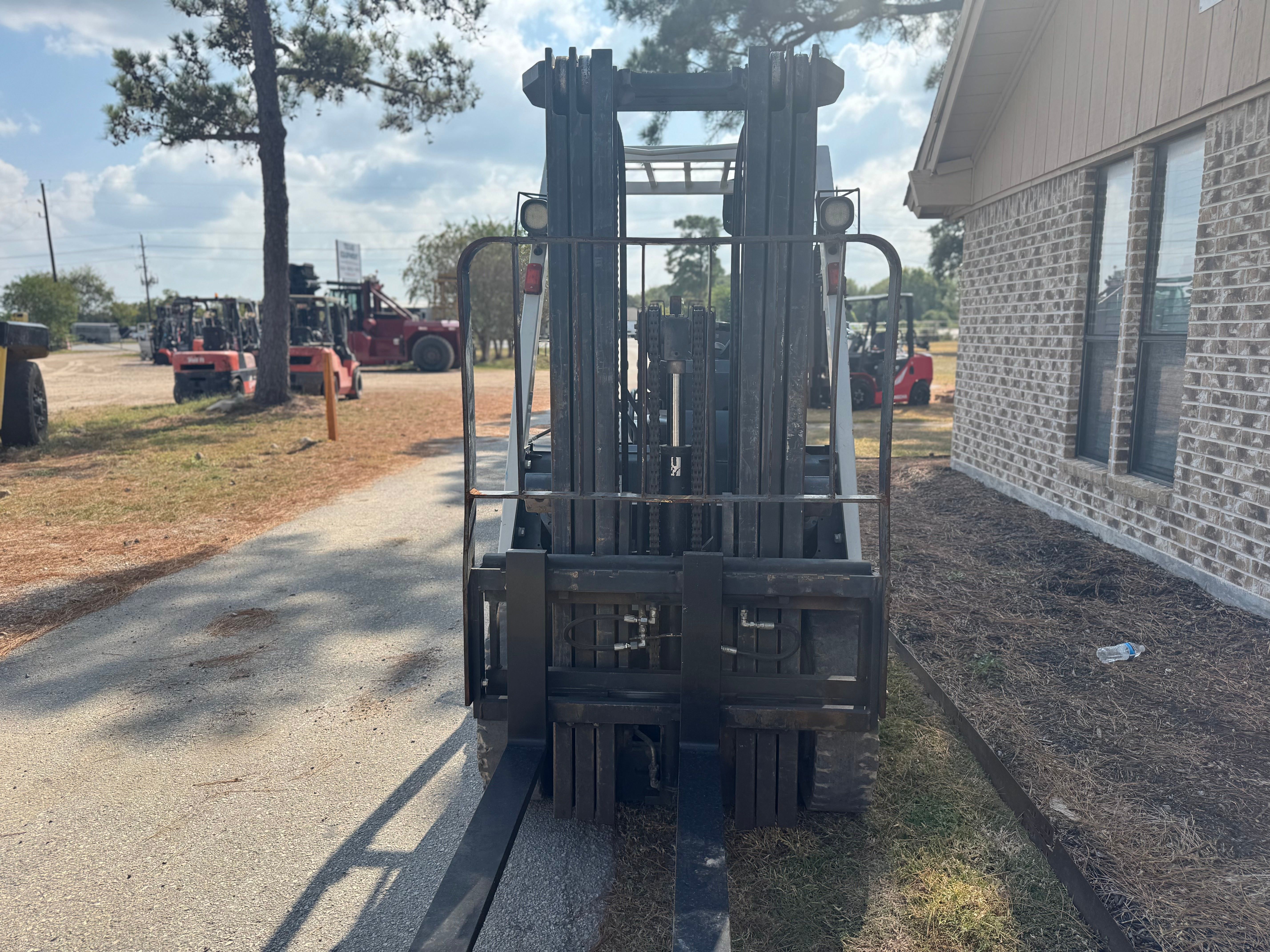
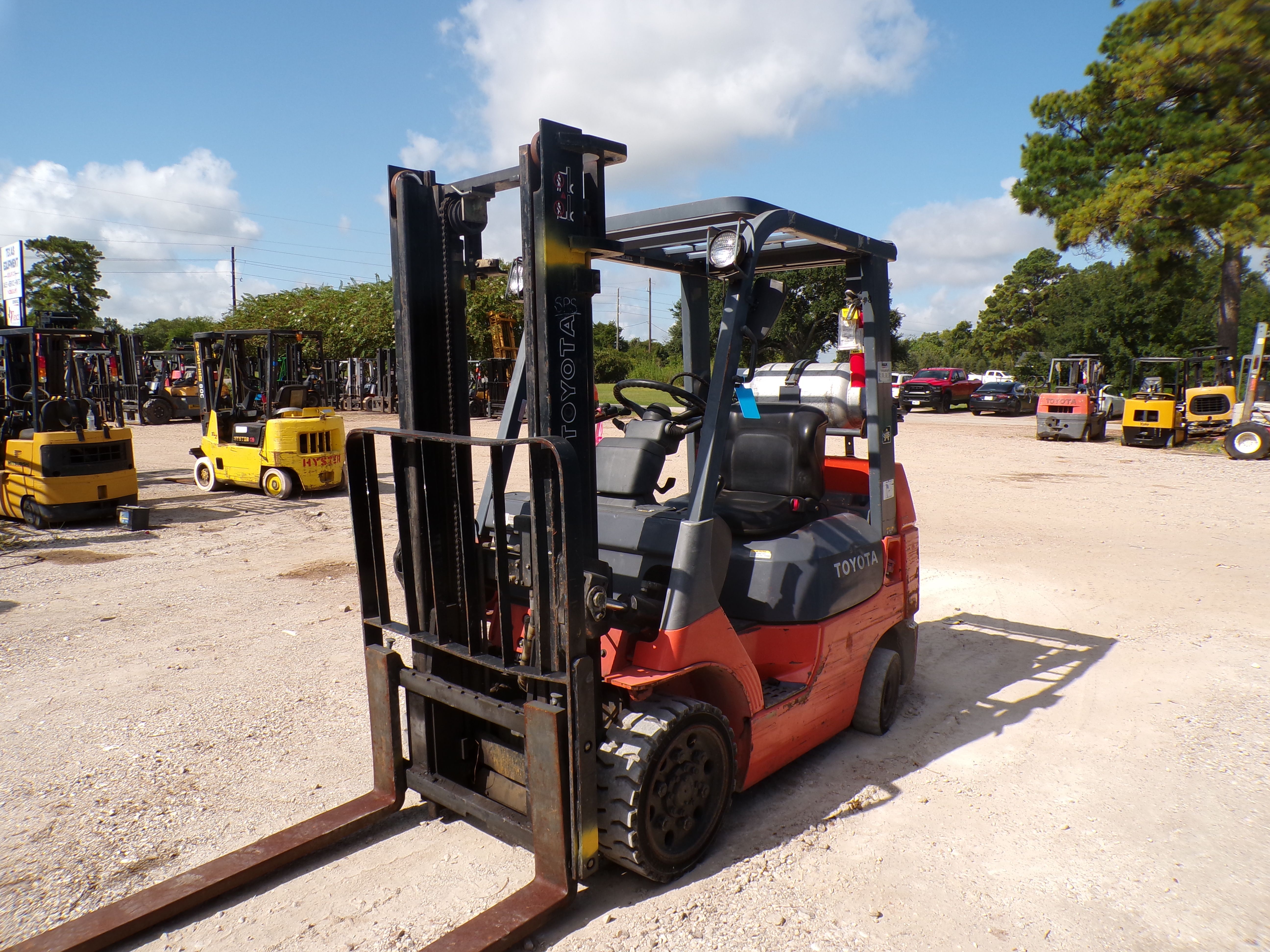
New vs Used Forklifts: Which Option Makes More Sense?
When comparing new vs used forklifts, the right choice depends on how often the equipment will be used and the level of performance required. New forklifts are ideal for businesses that run daily operations and need reliable performance, lower downtime, and updated safety features. They also come with warranty support, which helps reduce unexpected repair costs in the early years of use.
Used forklifts, on the other hand, offer a more budget-friendly option without sacrificing basic performance. For lighter workloads or backup equipment, a well-maintained used forklift can handle the job effectively at a lower upfront cost. Before buying, it’s important to check service history, operating hours, and overall condition to ensure the equipment fits your long-term needs.
Final Thoughts
There’s no universal answer to the new vs used equipment debate, as the right choice depends on your budget, usage, and long-term goals. The best decision depends on your budget, workload, and long-term strategy.
New equipment brings peace of mind, modern features, and long-term performance ideal for companies scaling up. On the other hand, used equipment delivers significant cost savings and is perfect for temporary jobs, startups, or supplemental use.
FAQs
1. Is it better to buy new or used equipment?
It depends on your budget and how often you plan to use the equipment. New equipment offers reliability and warranty coverage, while used equipment is more affordable and can deliver strong value for less investment.
2. What is the biggest cost advantage of used equipment?
The biggest advantage is lower upfront cost. Used equipment can cost significantly less than new machinery, making it easier for businesses to manage cash flow and reduce financial risk.
3. Does new equipment always perform better than used equipment?
Not always. New equipment includes the latest features and efficiency improvements, but well-maintained used equipment can still perform reliably for many types of jobs.
4. What is total cost of ownership in equipment purchasing?
Total cost of ownership includes the purchase price, maintenance costs, fuel usage, repairs, and resale value over time. It helps you understand the true long-term cost beyond the initial purchase.
5. Is refurbished equipment a good option?
Yes, refurbished equipment can be a smart middle option. It is typically inspected and repaired, offering better reliability than standard used equipment at a lower cost than new machines.
6. How do I decide between new and used equipment for my business?
You should consider your workload, budget, job requirements, and how long you plan to keep the equipment. For heavy daily use, new may be better, while for occasional use, used equipment often makes more financial sense.